
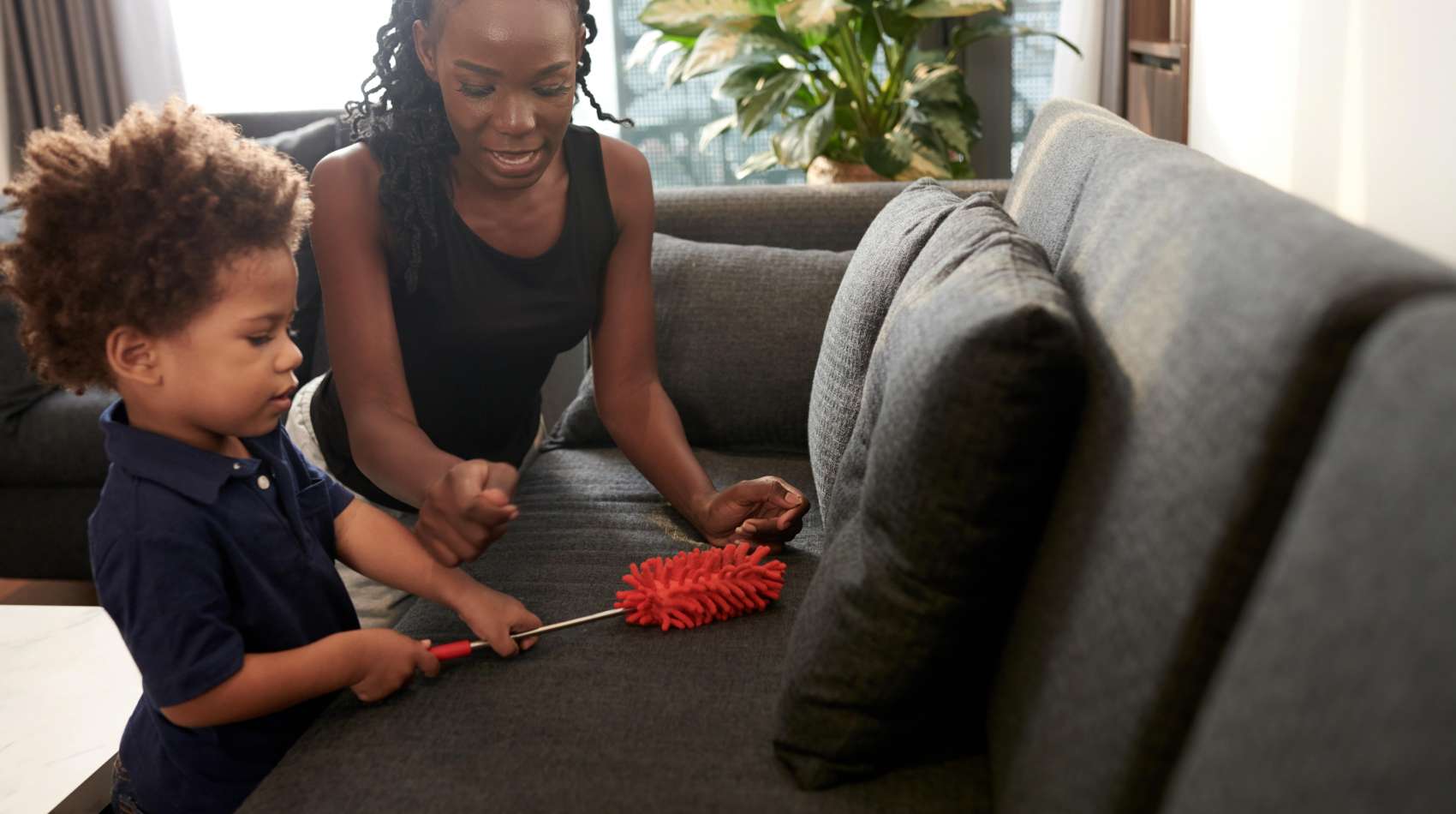
Teaching kids simple household chores is one of the most effective ways to build responsibility, independence, and life skills. Many parents hesitate to assign chores because they think children are too young, too busy, or might not do the task perfectly. However, involving kids in daily household routines helps them understand teamwork, accountability, and the value of maintaining a clean and organized home.
Household chores do not need to be complicated or overwhelming. Simple tasks like making the bed, organizing toys, feeding pets, or helping set the table can become positive learning experiences. When introduced properly, chores do not feel like punishment—they become part of daily family life.
The key is teaching chores in a way that feels encouraging and age-appropriate. Children learn best when they feel capable and supported. With patience, consistency, and the right approach, parents can turn everyday chores into opportunities for growth. Below are practical strategies to help parents teach kids simple household chores effectively and positively.
Start With Age-Appropriate Tasks
One of the most important steps in teaching chores is choosing tasks that match a child’s age and ability. Expecting too much too soon can lead to frustration for both parents and children. Younger kids can begin with very simple responsibilities.
Toddlers can help put toys back in bins, wipe small spills with supervision, or carry lightweight items. Preschoolers can assist with sorting laundry, watering plants, or setting napkins on the table. Older children can handle more structured tasks such as sweeping, folding clothes, or organizing their rooms.
When children successfully complete tasks, their confidence grows. Success builds motivation, while repeated failure discourages participation. Parents should focus on progress rather than perfection.
Within the broader world of home and garden family lifestyle tips, age-appropriate chores create a smoother household routine. Children feel included instead of pressured, and parents avoid unrealistic expectations.
Turn Chores Into a Daily Routine
Consistency makes chores easier to accept. Instead of assigning random tasks unexpectedly, parents can integrate chores into daily routines. For example, making the bed can become part of the morning schedule, while tidying toys happens before bedtime.
When chores are predictable, children begin to view them as normal responsibilities rather than special punishments. A visual chore chart can help younger kids track tasks and feel accomplished when they complete them.
Routine also reduces arguments. If children know that certain tasks happen every day at a specific time, they are less likely to resist. Clear structure provides security and understanding.
It is also helpful to keep chores short and manageable. Long cleaning sessions can overwhelm kids, while small daily efforts feel easier and more achievable.
By building routines early, parents help children develop lifelong habits of organization and responsibility.
Teach by Example and Work Together
Children learn most effectively by watching adults. If parents consistently clean, organize, and manage household tasks with a positive attitude, kids are more likely to follow. Modeling responsibility sends a strong message.
Working together also makes chores more enjoyable. Instead of ordering a child to clean their room alone, parents can join them for the first few minutes. This creates teamwork and reduces resistance.
Positive language matters as well. Instead of saying, “You have to clean this mess,” parents can say, “Let’s work together to make this space look great.” Encouragement creates cooperation.
Teaching also requires patience. Children may not complete tasks perfectly at first. Instead of correcting harshly, parents can gently guide and show improved techniques.
Chores become less stressful when they feel collaborative rather than forced. This approach builds stronger parent-child relationships while reinforcing responsibility.
Make Chores Fun and Motivating
Chores do not have to feel boring. Adding small elements of fun can increase engagement. For example, playing music while cleaning can turn tidying into a mini dance session. Setting a timer and turning tasks into a friendly race can also motivate kids.
Some families use reward systems, such as sticker charts or small privileges. Rewards do not always need to be money-based. Extra playtime, choosing a family movie, or selecting dinner can feel meaningful.
Gamifying chores works especially well for younger children. For example, parents can challenge kids to “rescue toys” by putting them back in the right place. This shifts the focus from obligation to play.
For families exploring practical home organization and family care ideas, creative chore strategies make daily life smoother. Motivation improves when children feel proud of their contribution rather than forced to comply.
Teach Responsibility, Not Perfection
Parents sometimes expect children to complete chores perfectly, but the real goal is responsibility—not flawless results. A child learning to fold laundry may not create perfect stacks, but the effort still matters.
It is important to allow room for mistakes. When parents redo chores immediately after a child finishes, it can send the message that their work was not good enough. Instead, parents can offer guidance gently over time.
Chores also teach time management and accountability. If a child forgets to complete a task, parents can calmly remind them and explain why the responsibility matters. This builds understanding rather than fear.
Teaching responsibility helps children prepare for adulthood. Basic skills such as cleaning, organizing, and managing tasks are essential life tools.
Focusing on progress instead of perfection makes chore teaching more positive and sustainable.
Encourage Independence as Children Grow
As children grow older, chores can gradually become more independent. Giving older kids full responsibility for certain tasks—like laundry, dishwashing, or pet care—helps build confidence.
Parents can gradually reduce supervision and allow children to manage tasks on their own. Clear instructions at the beginning help avoid confusion. Over time, independence strengthens discipline.
Allowing children to take ownership of chores also supports self-esteem. When they know their contribution matters to the household, they feel valued.
Independence does not mean abandoning guidance. Parents should still check progress occasionally and provide encouragement. However, trusting children with real responsibility builds maturity.
For readers seeking balanced lifestyle guidance for organized family living, chore independence is a powerful tool. It transforms simple tasks into opportunities for personal growth.
Conclusion
Teaching kids simple household chores is one of the most effective ways to build responsibility, confidence, and life skills. By choosing age-appropriate tasks, creating consistent routines, modeling positive behavior, and making chores engaging, parents can turn daily responsibilities into valuable learning experiences. The goal is not perfection, but participation and growth. When children feel supported rather than pressured, they are more likely to cooperate and take pride in their work. Chores teach more than cleaning—they develop time management, accountability, and teamwork. As children grow, gradually increasing independence strengthens their maturity and self-confidence. Household chores become less about tasks and more about preparing kids for adulthood. Families who approach chores with patience and creativity often find that the home becomes more organized and harmonious. With the right guidance, simple chores become stepping stones toward lifelong responsibility and balanced family living.