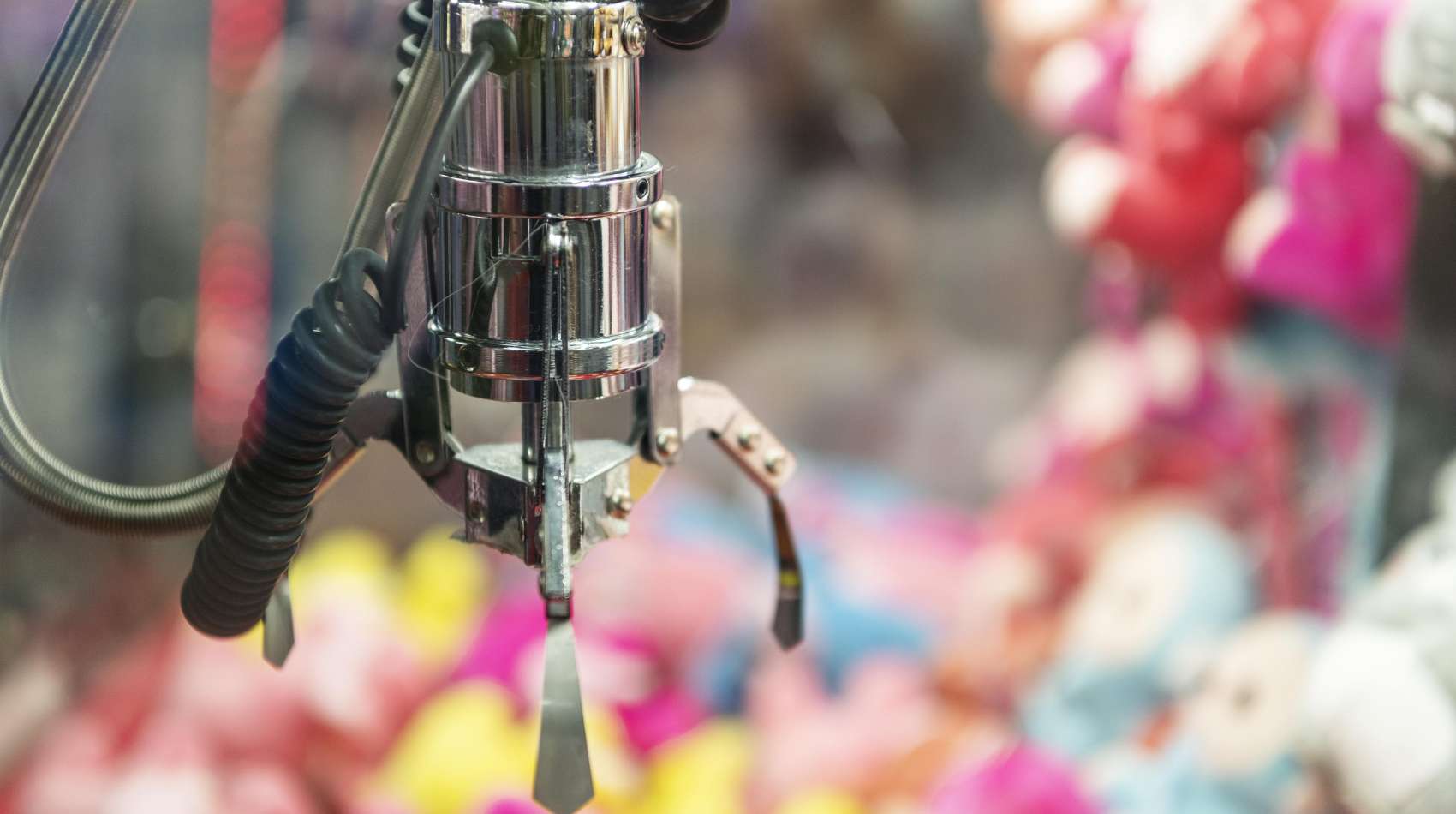
Claw machines look simple, but anyone who has tried them knows they can be surprisingly frustrating. Whether they are found in arcades, malls, movie theaters, or amusement centers, claw machines are designed to tempt players with cute plushies, gadgets, and collectible prizes. Many people assume winning is purely luck, but there is more strategy involved than most players realize. While claw machines are still based on chance and machine settings, smart players can improve their odds by understanding how these games work.
Claw machines are built with specific mechanics, including claw strength, drop patterns, and payout cycles. Some machines are fair and winnable, while others are set up to make winning extremely rare. Knowing how to spot the difference can save money and prevent disappointment.
Winning prizes in claw machines is not about magical tricks—it is about timing, observation, and choosing the right target. With the right approach, players can enjoy the game more, waste fewer tries, and walk away with prizes more often than the average player.
Understanding How Claw Machines Actually Work
Claw machines are not random in the way most people think. Many machines are programmed with settings that control claw strength and payout frequency. This means the claw may not grip strongly every time, even if the player makes a perfect grab.
Some machines use a payout cycle system. In these setups, the claw becomes strong only after a certain number of plays. Until that point, the claw may grip loosely and drop prizes. This is why players often feel like they “almost won” multiple times before success.
Other machines may have adjustable claw tension controlled by the operator. If a machine is set with low strength, even good positioning will not lead to a win. This is why observation is important before spending money.
Understanding the machine’s behavior helps players make smarter decisions. Instead of playing blindly, experienced players watch for patterns, claw grip strength, and whether prizes move during failed attempts. The more movement a prize shows, the closer it may be to becoming winnable.
Within the broader world of arcade game strategies and prize-winning tips, understanding the mechanics is the foundation of improving success rates.
Choosing the Right Machine Makes a Huge Difference
One of the biggest secrets to winning claw machine prizes is choosing the right machine. Some claw machines are simply not worth playing because the claw is too weak or the prizes are packed in a way that makes them impossible to grab.
A good machine usually has prizes that are loosely arranged, with clear space around them. If prizes are stacked too tightly or pressed against the glass, the claw will struggle to get a clean grip.
Players should also look for machines where prizes have visible “grab points.” Plushies with tags, limbs, or loose fabric edges are easier to hook. Boxed prizes are harder unless the box is positioned near the prize chute.
Another sign of a winnable machine is prize movement. If a prize has been shifted closer to the drop zone or looks unstable, it may be near the point where it can be grabbed successfully.
Smart players spend time watching before playing. Observing a machine for a few minutes can save money and increase the chance of success dramatically.
Picking the Best Prize Target (Not the Prettiest One)
Many players lose because they aim for the most attractive prize rather than the most winnable one. A prize can look perfect, but if it is buried under others or positioned awkwardly, it will be extremely difficult to grab.
The best targets are usually near the front, close to the chute, or resting on top of other prizes. Items near the edge are often easier because the claw does not need to lift them far. Even a partial grab may be enough to drag the prize into a better position.
Plushies with large heads, loose arms, or tags are easier to grab than perfectly round items. For example, a teddy bear lying sideways may be easier than one standing upright. The goal is to find a prize that can be hooked or pinched effectively.
Some experienced players also target prizes that can be “nudged” rather than lifted. If a prize is close to falling into the chute, even a weak claw may be enough to push it.
Winning often comes from choosing the easiest target, not the most valuable-looking one.
Using Better Grab Techniques: Hooking, Pinching, and Dragging
There are several claw machine techniques that improve the chance of winning. One of the most effective is hooking. This involves grabbing a tag, arm, or loose part of a plush toy rather than trying to grip the entire body. Hooking can work even with weaker claws.
Pinching is another method. This technique works best when the claw can clamp onto a solid part of the prize, such as a plush’s head or a box corner. Pinching requires good alignment, but it can lead to clean lifts.
Dragging is useful when the prize is too heavy to lift. Instead of trying to pick it up, players aim to drag it closer to the chute. Repeated dragging attempts can shift the prize into a better position, increasing the chance of a future win.
The key is adjusting the strategy based on the machine and the prize. Some prizes are better for hooking, while others are better for pinching. Understanding these methods helps players stop wasting tries on impossible grabs.
Timing and Observation: The Skill Most People Ignore
Many players rush into claw machines without watching. This is one of the biggest mistakes. Observing how the claw behaves is one of the best ways to improve odds.
Players should watch how strong the claw grips when other people play. Does it hold prizes firmly, or does it drop them quickly? Does it lift them halfway and then release? These clues reveal whether the machine is set to be winnable.
Timing matters as well. If a machine uses a payout cycle, it may become stronger after many failed attempts. This is why some players “camp” claw machines and wait until enough plays have happened.
However, it is important not to fall into the trap of spending endlessly. Waiting for the right moment should not mean paying for dozens of tries. Smart players set limits and stop when the machine clearly isn’t paying out.
For readers exploring smart entertainment choices in modern gaming culture, claw machines are a perfect example of balancing fun with awareness. Observation turns random play into strategic play.
Budgeting: How to Win Without Overspending
Even with strategy, claw machines can still be unpredictable. This is why budgeting is essential. Many players lose money because they become emotionally invested in winning one prize. This is exactly what claw machines are designed to encourage.
A smart approach is setting a limit before playing. For example, a player may decide to spend only the amount they would be comfortable paying for the prize directly. If the prize could be bought for $10 online, spending $20 trying to win it makes little sense.
Players should also know when to walk away. If the prize does not move after several attempts, it is likely positioned poorly or the claw is too weak. Continuing usually leads to frustration.
Budgeting keeps claw machines fun. Winning feels exciting, but losing should not feel painful. Treating the game as entertainment rather than investment helps players enjoy the experience more, whether they win or not.
Conclusion
Winning at claw machines is not guaranteed, but smart players can improve their odds by understanding how these machines work. Claw strength settings, payout cycles, and prize positioning all influence whether a machine is truly winnable. Choosing the right machine, targeting the easiest prize, and using effective techniques such as hooking, pinching, and dragging can make a noticeable difference. Observation and timing are also essential, as watching other players reveals whether the claw is strong enough to hold prizes consistently. However, the most important skill is budgeting. Claw machines are designed to encourage repeated spending, so setting limits protects both money and enjoyment. The best way to approach claw machines is to treat them as fun challenges rather than guaranteed prize systems. When players stay strategic, patient, and realistic, claw machines become far more entertaining—and the chances of walking away with a prize become much higher than most people expect.