
Eating in hotels and restaurants is one of the best parts of traveling and modern living. However, food safety is something many people do not think about until they experience a stomach illness, food poisoning, or an allergic reaction. Food contamination can happen in any dining environment, from luxury hotel buffets to casual restaurants. It can be caused by poor hygiene, improper storage, undercooked food, cross-contamination, or unsafe handling practices in the kitchen.
While most hotels and restaurants follow safety standards, mistakes can still happen—especially in busy kitchens where staff work under pressure. Travelers are often more vulnerable because their bodies are adjusting to new environments, water sources, and food ingredients.
Avoiding food contamination does not mean avoiding restaurants entirely. It means learning how to make safer choices and recognize red flags. By paying attention to cleanliness, food temperature, and basic safety cues, guests can reduce risk while still enjoying dining experiences. The following guide explains practical ways to stay safe when eating in hotels and restaurants, without becoming overly anxious or paranoid.
Understanding What Food Contamination Really Means
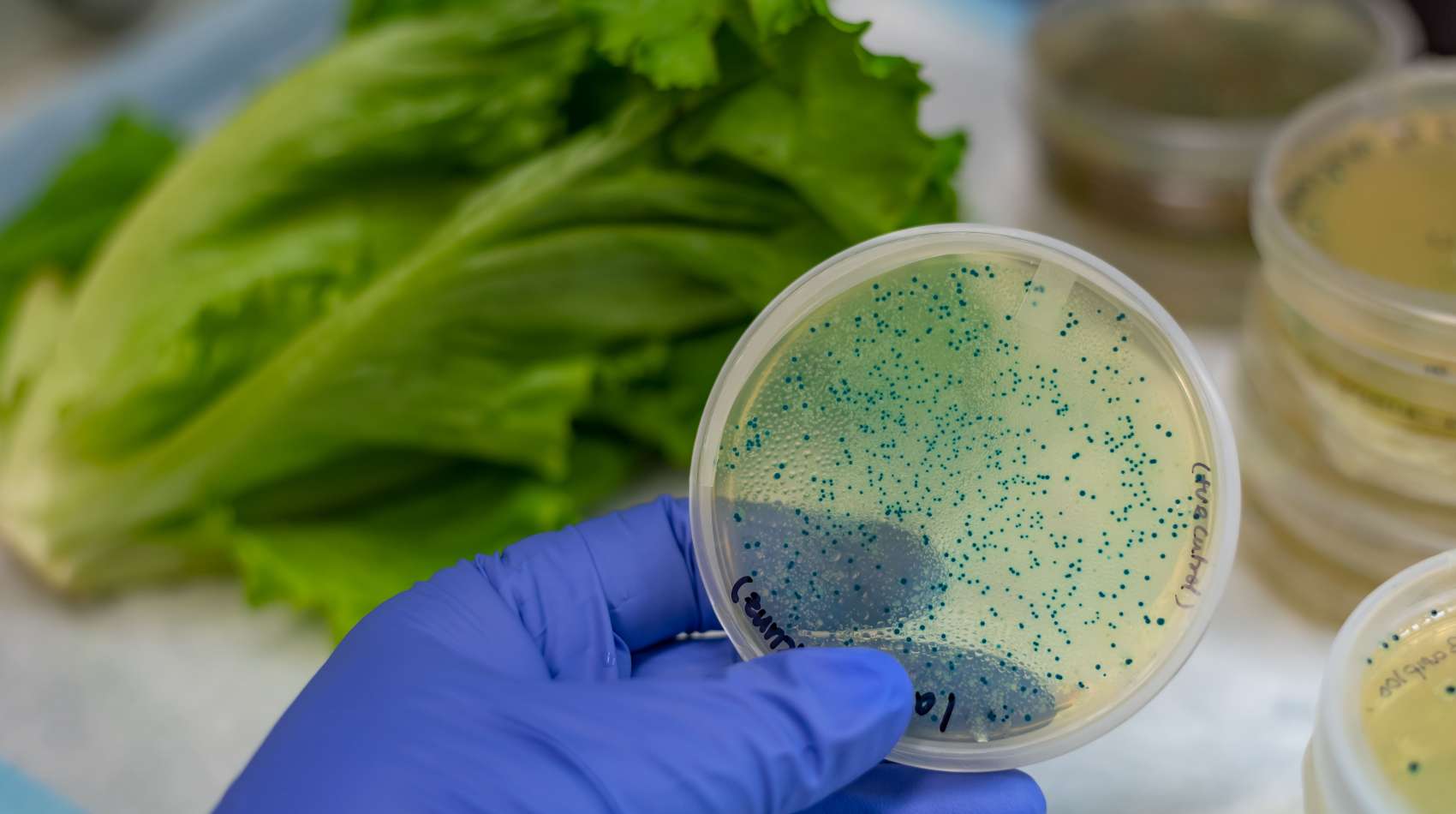
Food contamination happens when harmful bacteria, viruses, parasites, or chemicals enter food and make it unsafe to eat. In hotels and restaurants, contamination can occur during preparation, cooking, storage, or serving. It is not always visible, which is why it can be difficult to detect.
One of the most common causes is bacterial contamination, including organisms such as Salmonella, E. coli, and Listeria. These bacteria can spread through raw meat, unwashed vegetables, contaminated surfaces, or dirty hands. Viral contamination can also occur, especially through poor handwashing after restroom use.
Cross-contamination is another major risk. This happens when raw food touches cooked food, or when the same cutting board is used for meat and vegetables without proper cleaning. Buffets can also increase risk because food is exposed to air and many people touch serving utensils.
Within the broader world of health and beauty safety tips for food hygiene, understanding contamination basics helps travelers make smarter dining decisions. It shifts food safety from fear to awareness, which is far more useful.
Spotting Red Flags in Hotel Buffets
Hotel buffets can be convenient and enjoyable, but they also come with higher contamination risk if not managed properly. The main reason is temperature control. Hot food must be kept hot, and cold food must stay cold. If food sits in the “danger zone” for too long, bacteria multiply quickly.
A major red flag is lukewarm food. If scrambled eggs, meat, soups, or rice dishes are not steaming hot, they may have been sitting out too long. Cold items like yogurt, cheese, or seafood should be chilled, not slightly warm.
Cleanliness is another clue. Buffet areas should look well-maintained. Serving utensils should be available for each dish, and the surrounding counters should not be sticky or messy. If plates are dirty or staff are not monitoring the area, hygiene standards may be weak.
Another warning sign is overcrowding. When too many guests are using the buffet without staff supervision, utensils may be dropped, dishes may be mixed, and contamination becomes more likely.
Buffets are not automatically unsafe, but smart travelers observe the environment before filling a plate.
Choosing Safer Menu Items in Restaurants
Restaurant dining can be safe, but certain menu choices carry higher risk than others. Undercooked meats, raw seafood, and unpasteurized products are common sources of contamination. This does not mean people must avoid them entirely, but they should be cautious, especially in unfamiliar locations.
Fully cooked dishes are generally safer. Grilled meats, hot soups, stir-fries, and freshly cooked meals reduce bacterial risk because heat kills most pathogens. Foods that are cooked to order and served immediately are safer than foods that sit for long periods.
Salads can be tricky. While they are healthy, raw vegetables can carry contamination if not washed properly. Travelers may want to choose cooked vegetables instead if they are concerned about hygiene standards.
Ice is another risk in some locations, especially where water safety is questionable. Drinks without ice may be safer for travelers with sensitive stomachs.
Smart dining is not about fear—it is about choosing lower-risk meals, especially when traveling or eating in high-traffic restaurants.
Food Safety Habits Travelers Should Practice
Travelers can reduce food contamination risk by practicing simple habits. One of the most important is washing hands before eating. Many people rely only on hand sanitizer, but soap and water are better when available.
Another habit is paying attention to food temperature. Hot food should arrive hot, and cold food should arrive cold. If a dish arrives lukewarm, it is reasonable to request a replacement. Many people hesitate because they feel awkward, but food safety matters more than politeness.
Travelers should also avoid leaving food sitting out in hotel rooms. Takeout meals left unrefrigerated for hours can become unsafe. If food cannot be stored properly, it is better to discard leftovers.
Sharing food can also increase risk, especially when multiple people use the same utensils. It is not necessary to be extreme, but awareness helps.
For readers interested in practical wellness habits for safe everyday dining, these small habits can prevent many common stomach illnesses. Food safety is often about consistent behavior, not dramatic changes.
How Hotels and Restaurants Prevent Contamination
Understanding how hotels and restaurants manage food safety helps guests recognize professional standards. Many kitchens follow strict hygiene rules, including temperature monitoring, food rotation systems, and staff training. Food is typically labeled, stored properly, and prepared in controlled areas.
Professional kitchens separate raw and cooked foods to reduce cross-contamination. They use different cutting boards, tools, and storage containers. Staff are trained to wash hands regularly and follow sanitation procedures.
Hotels often have additional standards because they serve large numbers of guests. Many use food safety audits, daily inspections, and strict buffet monitoring. Reputable hotels replace buffet dishes frequently and keep food at safe temperatures.
However, not all establishments maintain the same level of discipline. Staff shortages, rushed service, and poor management can lead to mistakes. This is why travelers should still remain observant, even in high-end hotels.
What to Do If Food Poisoning Happens
Even with precautions, food poisoning can still happen. If symptoms appear—such as nausea, vomiting, diarrhea, stomach cramps, or fever—hydration becomes the top priority. Drinking water, electrolyte solutions, or oral rehydration salts helps prevent dehydration.
In mild cases, rest and hydration are often enough. However, severe symptoms require medical attention. Signs of danger include high fever, blood in stool, extreme weakness, or dehydration symptoms such as dizziness and dry mouth.
Travelers should also report suspected food poisoning to the hotel or restaurant. This is not about blame—it helps management investigate and prevent others from getting sick.
If traveling internationally, it is wise to know where the nearest clinic or pharmacy is located. Some hotels can assist with medical referrals.
Food poisoning is unpleasant, but quick action can reduce recovery time and prevent complications.
Conclusion
Avoiding food contamination in hotels and restaurants is about awareness, not fear. Food contamination can happen through poor hygiene, cross-contamination, improper storage, or unsafe temperature control, especially in high-traffic environments like buffets. Travelers can reduce risk by spotting red flags such as lukewarm buffet dishes, messy serving areas, and poorly monitored food stations. Choosing safer menu items, prioritizing freshly cooked meals, and practicing basic hygiene habits such as handwashing also make a noticeable difference. Understanding how professional kitchens prevent contamination helps guests recognize higher standards and make smarter dining choices. Even with precautions, food poisoning can still occur, so knowing how to respond—hydration, rest, and medical attention when needed—is essential. Dining out should remain enjoyable, and most hotels and restaurants serve food safely. With a few simple habits and a more observant mindset, travelers can protect their health while still enjoying the convenience and experience of hotel and restaurant dining.